
Planning to purchase stones for your home in the new year is a great way to elevate interiors with durability and aesthetics. Here’s a forward-thinking, practical guide to help you choose, budget, and buy the right stones for your spaces — from flooring to feature walls and countertops. 🗓️ 1. Set Your Design Goals Before buying any stone, decide the purpose and look you want: 🔹 Flooring Granite – durable, heat-resistant (e.g., Baltic Brown Granite) Marble – luxury and elegance (e.g., Calacatta Lincoln Marble) Travertine – warm, classic look (e.g., Travertino Silver) Limestone – natural, earthy feel 🔹 Countertops Granite – practical for kitchens Soapstone – heat and stain resistant Quartz – engineered, low maintenance (if you choose engineered over natural) 🔹 Walls & Accent Zones Onyx – dramatic, translucent (backlit feature walls) Semi-precious stones (e.g., Rose Wood Quartz) – artful focal points Marble or limestone cladding – soft luxury 💰 2. Set Your Budget Stones vary widely in price based on: Type & rarity (marble and onyx usually cost more than granite) Slab size & thickness Finish (polished, honed, leathered, tumbled) Import vs local availability Plan a tiered budget: Premium stones (e.g., Calacatta Marble, Onyx) for feature areas Mid-range stones (granite, travertine) for widespread flooring Budget stones (limestone, standard granite) for utility zones 4. Select Sizes and Finishes Stone selection isn’t just type — it involves size and surface: 🔹 Tile / Slab Sizes Flooring: 600×600 mm, 600×1200 mm, or large slabs for seamless look Countertops: standard slab sizes fit kitchen layouts Wall cladding: larger slabs for dramatic effect 🔹 Surface Finishes Polished: Glossy, reflective luxury Honed: Matte, soft look Leathered/textured: Contemporary feel Tumbled/brushed: Rustic, slip-resistant https://citystonellc.com/contact/ Keep In Touch ! We are ready to help you . We are Open on Weekdays 8:30am – 5pmSaturdays 9am – 2pm +1 713-460-8880 citystonehouston@gmail.com 8002 Pinemont Drive, Houston, TX, 77040
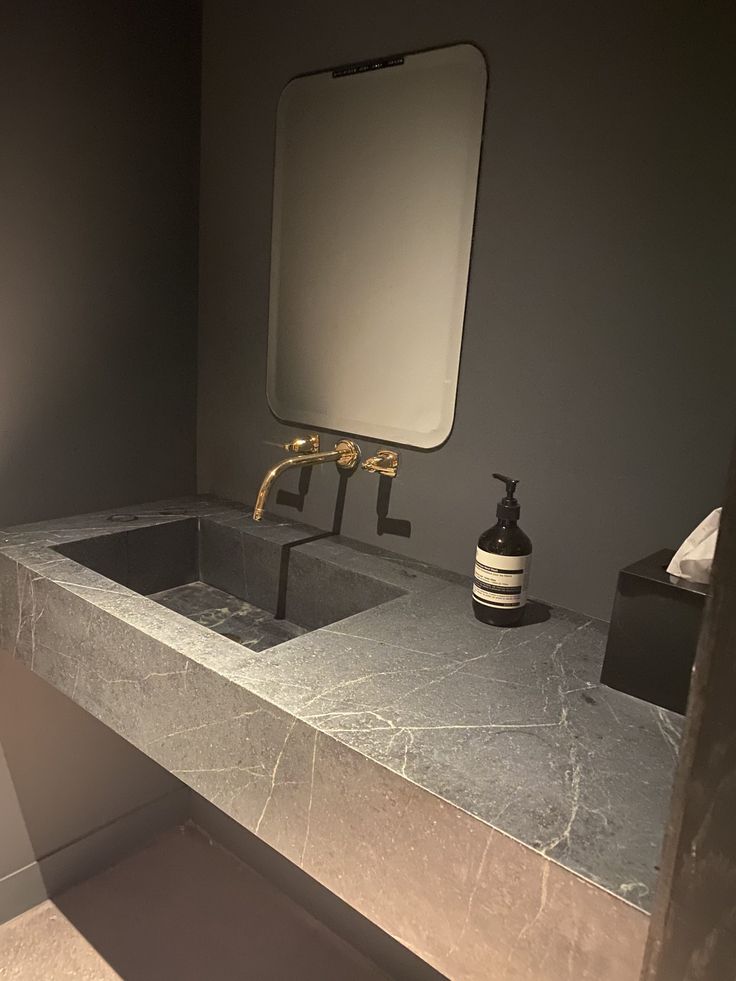
Soapstone Smoke 6983
🪨 Soapstone – Detailed Information Soapstone is a natural metamorphic rock composed mainly of talc, chlorite, magnesite, and quartz. It gets its name from its soft, smooth, soap-like feel. Soapstone has been used for centuries in kitchens, laboratories, and fireplaces due to its exceptional heat resistance and durability. 🎨 Appearance & Texture Colors range from light grey to deep charcoal May show subtle white or pale green veining Smooth, matte surface with a soft touch Darkens naturally over time, developing a rich patina Provides a calm, understated, and elegant look ⚒️ Physical & Technical Properties Dense and non-porous stone Extremely resistant to heat and thermal shock Naturally resistant to stains and acids Soft to touch but structurally strong Does not require sealing 🏡 Where Soapstone is Used 🍳 Kitchen Applications Kitchen countertops Backsplashes Sinks and worktops Ideal for kitchens due to its resistance to heat, stains, and acids. 🔥 Fireplaces & Heat Zones Fireplace surrounds Hearths Stove cladding Withstands direct heat without cracking. 🚿 Bathrooms Vanity tops Washbasins Shower walls Resists moisture and chemical damage. 🏠 Flooring & Wall Cladding Interior flooring in low to medium traffic areas Feature walls and accent panels Creates a smooth, minimalist appearance. 🧪 Laboratory & Industrial Use Laboratory countertops Chemical work surfaces Chosen for its resistance to acids and chemicals.🪑 Furniture & Decorative Uses Tabletops Shelving Window sills Adds a clean, modern look with natural stone strength.

Limestone the sedimentary stone
Limestone is a natural sedimentary stone formed mainly from calcium carbonate deposits over millions of years. 🪨 Limestone – Detailed Information Limestone is a natural sedimentary stone formed mainly from calcium carbonate deposits over millions of years. It is valued for its soft, earthy appearance, ease of use, and timeless architectural appeal. Limestone has been used in buildings, monuments, and homes for centuries. 🎨 Appearance & Texture Color shades include cream, beige, ivory, light grey, yellow, and tan Subtle veining or fossil patterns may appear naturally Fine to medium-grain texture Soft, matte look that creates a calm and elegant environment Natural variation gives each piece a unique character ⚒️ Physical & Technical Properties Medium hardness (softer than granite, harder than sandstone) Naturally porous and breathable stone Comfortable underfoot and stays cool in warm climates Easy to cut, shape, and finish Suitable for interior and exterior use with proper treatment 🏡 Where Limestone is Used 🏠 Flooring Living rooms and bedrooms Hallways and corridors Courtyards and verandas Provides a natural, slip-resistant surface when honed or brushed. 🧱 Wall Cladding Interior feature walls Exterior elevations and facades Fireplace surrounds Adds a warm, timeless look to walls. 🚿 Bathrooms & Wet Areas Bathroom floors and walls Shower areas Vanity backsplashes Creates a spa-like atmosphere when properly sealed. 🌿 Outdoor Applications Garden pathways Patios and seating areas Pool surrounds (textured finish recommended) Blends naturally with outdoor landscapes. 🏛️ Architectural & Decorative Uses Columns and pillars Window sills and staircases Temples and heritage structures Highly suitable for carved and classical designs.
Blatic Brown granite
Baltic Brown Granite is a natural igneous stone famous for its rich brown background and distinctive circular mineral formations. Baltic Brown Granite is a natural igneous stone famous for its rich brown background and distinctive circular mineral formations. It belongs to the rapakivi granite group and is widely used in residential, commercial, and architectural projects because of its strength, durability, and classic appearance. 🎨 Appearance & Visual Characteristics Base color varies from medium brown to deep chocolate brown Features large round and oval crystal patterns Secondary shades include black, dark grey, tan, and golden brown Natural speckled texture gives depth and richness Every slab is unique, ensuring a natural and premium look ⚒️ Physical & Technical Properties Very hard and dense stone Excellent resistance to scratches, heat, and impact Low water absorption when properly sealed Suitable for high-traffic and heavy-use areas Performs well in both indoor and outdoor environments 🏡 Where Baltic Brown Granite is Used 🍳 Kitchen Areas Kitchen countertops Island tops Backsplashes Its heat resistance makes it ideal for daily cooking and heavy use. 🚿 Bathroom Areas Vanity tops Washbasins Shower walls Bathroom flooring It handles moisture well when sealed properly. 🏠 Flooring & Staircases Living rooms and hallways Commercial lobbies and corridors Stair treads and risers Its hardness makes it suitable for continuous foot traffic.
Calacatta Lincoln marble
Calacatta Lincoln is a natural marble originally quarried in the United States (notably linked to the famous Lincoln Memorial). 🔹 What is Calacatta Lincoln marble Nature & Origin — Calacatta Lincoln is a natural marble originally quarried in the United States (notably linked to the famous Lincoln Memorial). Appearance — It has a bright white (or milky-white) background with striking, graceful grey to charcoal veining. Some slabs may also have subtle golden or warm-toned vein accents. Material Characteristics — Calacatta Lincoln is a calcite marble. It can be cut into slabs (commonly around 2 cm thickness) suitable for large installations. Because each slab is natural, no two pieces are exactly alike — that uniqueness adds to its appeal. 🏡 Where and How It’s Used — Typical Applications Calacatta Lincoln is a premium marble suitable for a variety of high-end interior uses, especially where aesthetic impact matters: Countertops & Kitchen Islands — Its bright white base paired with elegant veining gives a clean yet luxurious look. Bathroom Vanities & Walls — Adds brightness and sophistication — ideal for classic or modern luxury bathrooms. Flooring — For elegant living rooms, foyers, or hallways, especially where a sophisticated look is desired (provided maintenance and sealing are managed). Wall Cladding / Feature Walls — Striking when used for accent walls, fireplace surrounds, or as backdrop in reception/lobby areas. Large Slab Installations — The large slab size allows for book-matching or seamless large-area installations (minimizing joints). Because of its bright white base and dramatic veining, it’s often chosen for spaces that aim for a timeless, luxurious aesthetic. +1 713-460-8880 citystonehouston@gmail.com 8002 Pinemont Drive, Houston, TX, 77040

Ferox Porcelain Tiles
Porcelain tiles are made from a mixture of clays and other minerals, fired at high temperatures, resulting in a dense, low-porosity, durable tile.
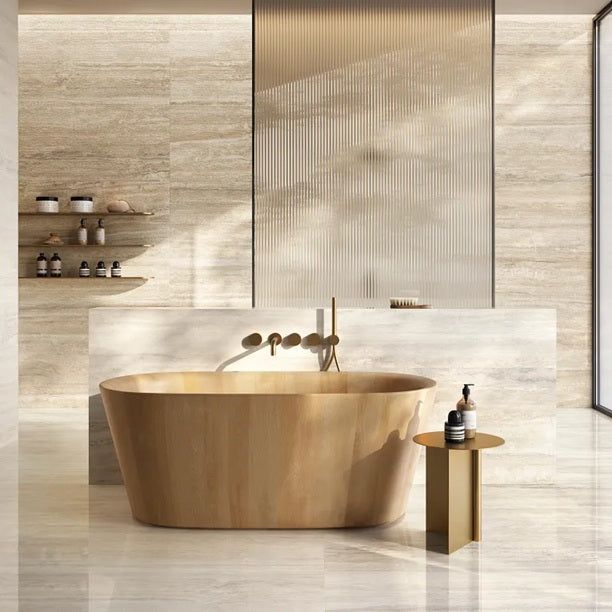
Onice Miele 13884 Onyx Tiles
nice Miele is a type of natural onyx stone (also referred to as “yellow/honey onyx”). 🔎 What is Onice Miele? Onice Miele is a type of natural onyx stone (also referred to as “yellow/honey onyx”). Its typical colour palette: warm “honey-yellow” or creamy-beige background with cloudy or veined patterns in whites, creams, oranges, or golden-brown. Because of its translucent/light-transmitting quality, it’s often prized for backlit installations — when light shines from behind, the stone glows with warm hues, creating a dramatic, 2 Typical slab/tile finishing: polished or honed surfaces are common. Onice Miele is often sold as slabs (for feature walls, lighting-backed claddings) or tiles for flooring/wall applications depending on location and design context. 🏠 Where and How It’s Used — Best Applications Onice Miele works best in areas where its colour, translucency, and visual appeal can be highlighted. Common uses: Feature walls and accent walls — especially in living rooms, foyers, hotel lobbies — to bring out the natural veining and honey-gold glow. Backlit panels — assembling slabs with LED or diffused light behind makes the stone glow, ideal for luxury interiors, bars, reception areas, etc. vanities, countertops, tabletops — polished slabs can be used for decorative countertop surfaces, especially where visual impact outweighs heavy use. Interior wall cladding or decorative elements — stair risers, wall niches, feature panels — to add a warm, elegant tone. ✅ Strengths & Unique Qualities Distinctive look & warmth: The honey-yellow background with warm veining gives interiors a cozy yet luxurious feel — great for sophisticated design projects. Backlighting capability: Its translucency can create ambient, glowing surfaces when properly lit from behind — a powerful design feature not available with ordinary marble or granite. Visual versatility: Because of natural variation in patterns and shades, no two slabs are identical — gives a bespoke, rich natural-stone feel. Suitability for statement features: Excellent for making a design statement — feature walls, headboards, reception desks, luxury bathrooms, etc. Keep In Touch We are ready to help you . We are Open on Weekdays 8:30am – 5pmSaturdays 9am – 2pm +1 713-460-8880 citystonehouston@gmail.com 8002 Pinemont Drive, Houston, TX, 77040
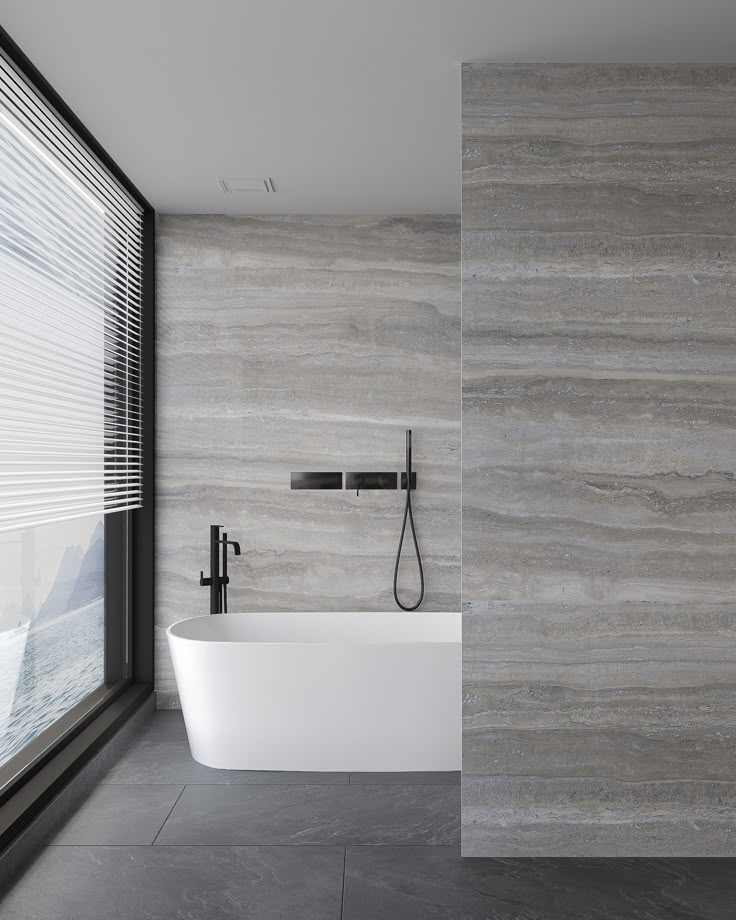
Travertino Silver
Travertino Silver (also known as Silver Travertine) is a natural limestone-based stone with distinct silver, grey, beige, and cream bands. 🩶 What is Travertino Silver? Travertino Silver (also known as Silver Travertine) is a natural limestone-based stone with distinct silver, grey, beige, and cream bands.It’s quarried mainly in Turkey and Italy and is known for its soft metallic tones and flowing linear texture — perfect for both contemporary and classic interiors. 🎨 Appearance Base Color: Grey to silver with light beige or ivory streaks. Pattern: Linear or cloudy vein structure, resembling flowing metal. Texture: Smooth but naturally porous — can be filled or unfilled depending on design preference. Finishes: Available in polished, honed, brushed, or tumbled styles. 🏡 Popular Uses of Travertino Silver 1. Flooring Ideal for living rooms, bedrooms, and hallways. The silver tones add a cool, luxurious feel. Honed or brushed finish gives a modern matte effect. 2. Bathroom Interiors Used on walls, floors, and vanity tops. Creates a spa-like, serene environment. Pairs beautifully with glass, chrome, or white fixtures. 3. Kitchen Countertops & Backsplashes Offers a neutral yet sophisticated look. Must be sealed properly to resist stains. 4. Feature Walls & Fireplaces Stunning as an accent wall or backdrop. The horizontal veining enhances the sense of space. 5. Outdoor Spaces Tumbled Silver Travertine pavers are popular for patios, pool decks, and walkways. Non-slip surface and stays cool in heat — perfect for warm climates. 6. Facade & Exterior Cladding Used in modern villas, hotels, and commercial buildings for a sleek metallic-grey finish. Keep In Touch ! We are ready to help you . We are Open on Weekdays 8:30am – 5pmSaturdays 9am – 2pm +1 713-460-8880 citystonehouston@gmail.com 8002 Pinemont Drive, Houston, TX, 77040
semi-precious stone
The stunning blue semi-precious stone panel featured in the image is a Blue Agate slab. /*! elementor – v3.20.0 – 10-04-2024 */ .elementor-widget-image{text-align:center}.elementor-widget-image a{display:inline-block}.elementor-widget-image a img[src$=”.svg”]{width:48px}.elementor-widget-image img{vertical-align:middle;display:inline-block} The stunning blue semi-precious stone panel featured in the image is a Blue Agate slab. This luxurious material is highly sought after for creating dramatic focal points in high-end interior design. The logo in the image, “SHENGYAO,” belongs to a company that specializes in manufacturing such semi-precious stone products. Here are the key details about Blue Agate and its use in homes: What is a Blue Agate Slab? A Blue Agate slab is not a single quarried piece of stone like marble or granite. It is a composite material meticulously crafted from individual slices of natural blue agate, a type of chalcedony which is a microcrystalline variety of quartz. Manufacturing Process: Sourcing: Raw agate stones are sourced from various parts of the world, including Brazil, India, and Africa. Slicing: These stones are then carefully cut into thin, translucent slices, revealing the beautiful and unique concentric bands and crystalline patterns within. Arrangement & Bonding: The individual slices are artfully arranged on a flat surface and bonded together using a clear, strong adhesive like epoxy resin. Finishing: The resulting slab is then polished to a high gloss, creating a smooth, durable, and continuous surface that highlights the stone’s natural beauty. Aesthetic Appeal: The most striking feature of a Blue Agate slab is its mesmerizing appearance, with swirling patterns in various shades of blue, from pale sky blue to deep azure. Each slab is a unique piece of natural art. Translucency: One of its most prized qualities is its translucency. This allows the slab to be backlit with LED panels, creating a soft, ethereal glow that dramatically enhances the ambiance of any room. The panel in the image appears to be backlit to create its vibrant effect. Durability: As a member of the quartz family, agate is a very hard and durable material. It has a hardness of about 6.5-7 on the Mohs scale, making it resistant to scratches and suitable for various applications. Chemical Formula: SiO2 (Silicon Dioxide).

Travertine Uses
Travertine is a natural stone belonging to the limestone family, formed around hot springs and limestone caves. 🪨 What is Travertine? Travertine is a natural stone belonging to the limestone family, formed around hot springs and limestone caves. It’s characterized by its porous surface, earthy tones, and layered appearance. It has been used since ancient times — most famously in Roman architecture (e.g., the Colosseum). 🎨 Appearance Colors: Ivory, beige, tan, walnut, silver, gold, and reddish hues. Texture: Naturally pitted surface (can be filled for smooth finish). Patterns: Linear veins, swirls, or cloudy effects. 🔨 Finishes of Travertine Polished – Glossy, reflective, luxurious. Honed – Matte, smooth, modern look. Tumbled – Rustic, antique feel with rounded edges. Brushed – Textured, aged surface. Chiseled – Rough edges, natural style (used in outdoor pavers). 🏡 Uses of Travertine at Home Flooring: Living rooms, hallways, bedrooms. Bathrooms: Shower walls, vanity tops, spa-like ambiance. Kitchens: Backsplashes, countertops (with sealing). Fireplace surrounds: Warm and classic. Stairs: Adds durability and elegance. Wall cladding: Accent walls, facades. Outdoor spaces: Patios, pool decks, garden paths. Paving: Non-slip when tumbled, ideal for outdoors. ✅ Benefits Timeless and luxurious appearance. Wide range of finishes for different styles. Cool underfoot — perfect for hot climates. Eco-friendly and naturally available. Adds property value due to its premium look.